
Updates
Podcast

"Dianna Deeney has launched a podcast that focuses on both the need and the 'how to' include quality and reliability in your design. Both entertaining and thoughtful, the shows are well done and worth subscribing."
Fred Schenkelberg, founder of Accendo Reliability
Search
Want to be a guest?
I like talking with people in product design and the manufacturing industry. Contact me if you're interested in being interviewed and being a guest on the show.
Dianna compares different types of controls in product development and design engineering: Prevention Controls vs. Detection Controls. She reviews concepts, uses for controls, risk-based controls, and how to prioritize design efforts for the right controls.
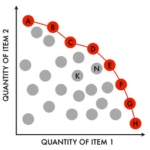
A team approach to complex decisions, with many options and criteria, is suggested by Dr. Anderson-Cook and Dr. Lu: DMRCS.

Design for Environment and Design for Disassembly are concepts that product design engineers can adopt for benefits beyond reducing waste and can be a quality measure.

What is the intercept of quality and safety? How concerned do we need to be about quality while we’re determining root causes?
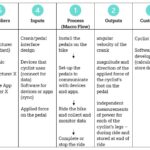
SIPOC diagrams are a great first step for our team in understanding the key people and elements to our process.

There’s a model that can help us visualize and consider the different barriers to harm: The Swiss Cheese Model of Accident Causation. Learn what makes up this model and how ideas are represented. There are also different ways that the model is being used today. How can we design for controls, policies, or actions that are part of the use of our product but outside of our control?